Author: nini

  • Bike Lights

    Bike Lights

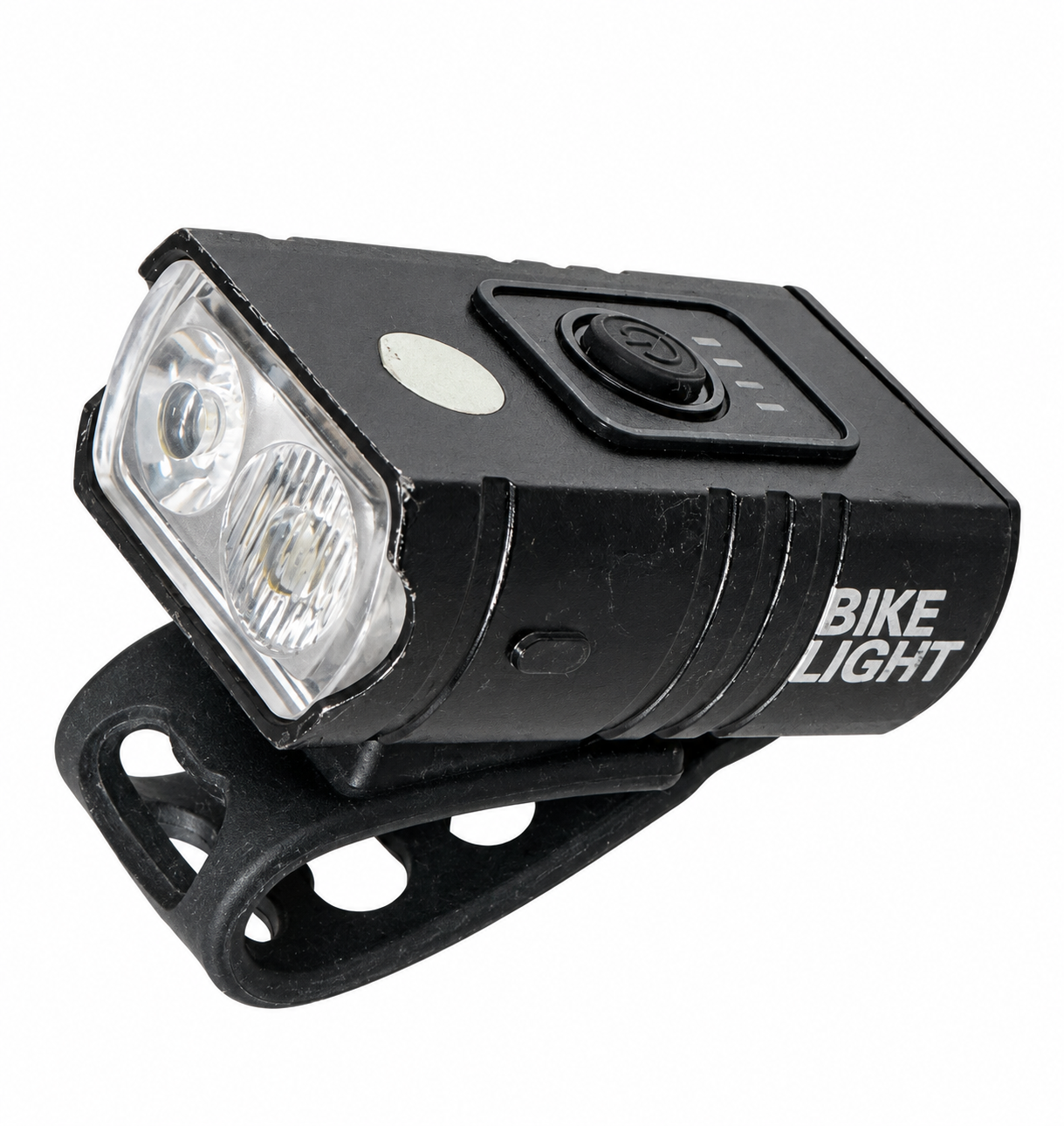
    There’s probably a million different models of bike lights out there. This one ain’t particularly special: it’s not the lightest, not the brightest, not the one with the longest charge.

    Nevertheless, it’s brilliantly simple and just works. You can charge it with USB (there’s a caveat to this though that I’ll mention later, so keep reading!). It snaps around your handlebar with a rubber strap that’s solid enough for most use. You can rotate it on top of that rubber strap so you can adjust the light wherever it needs to go. There’s different brightness settings that you can cycle through with the on/off button. Or, you know, long press it to turn off again. Simple as that.

    Yes, you can also make it blink instead of permanently light up. Please don’t do that. Cyclists here in London seem to like doing this and I kinda get it: in theory, motorists will potentially be more likely to see you when you’re blinking. The big downside though is that it’s f**king annoying: in many cases the lights aren’t properly aligned as well so when someone is coming towards you like this, it’s like a blinding stroboscope shining directly into your eyes.

    Especially on narrow bike lanes, that’s actually quite dangerous: It’s gets harder to gauge distances and it’s generally confusing, so I’m 100 % certain, there must’ve been quite a few head-on collisions just because of these annoying blinking lights.

    So what about the charging caveat: these lights are super cheap and they come from AliExpress/Temu and were designed during a time, where USB-C was not yet a ubiquitous standard, thus using Micro-USB. Now, back then USB would only allow one voltage: 5 V. Nowadays, the USB-C standard allows a range of different voltages and requires the manufacturer to let the devices negotiate the correct voltage before transmission (which is actually super cheap and built into most charging circuits by default today). Well, not here: these expect 5 V no matter what and if the charger doesn’t provide it, they don’t request it – they just won’t charge.

    The genius workaround: use a USB-C to C cable that uses the legacy 5 V mode and doesn’t allow any other voltage. If you ever bought some cheap Chinese manufactured USB-C devices, you’ll have seen them before.

    There goes the promise of USB-C: just plug any device into any cable and it’ll work. LOL.
  • Google Pixel Buds Pro

    Google Pixel Buds Pro

    I’m a person prone to losing things: I place them in a pocket or a bag and forget about them and eventually, most of them show up again. Just not necessarily when I need them. With the most important daily essentials – keys, wallets and so on – I solved this by now by attaching some AirTags with them. And I think by now there’s even earbuds that can be retraced like this.

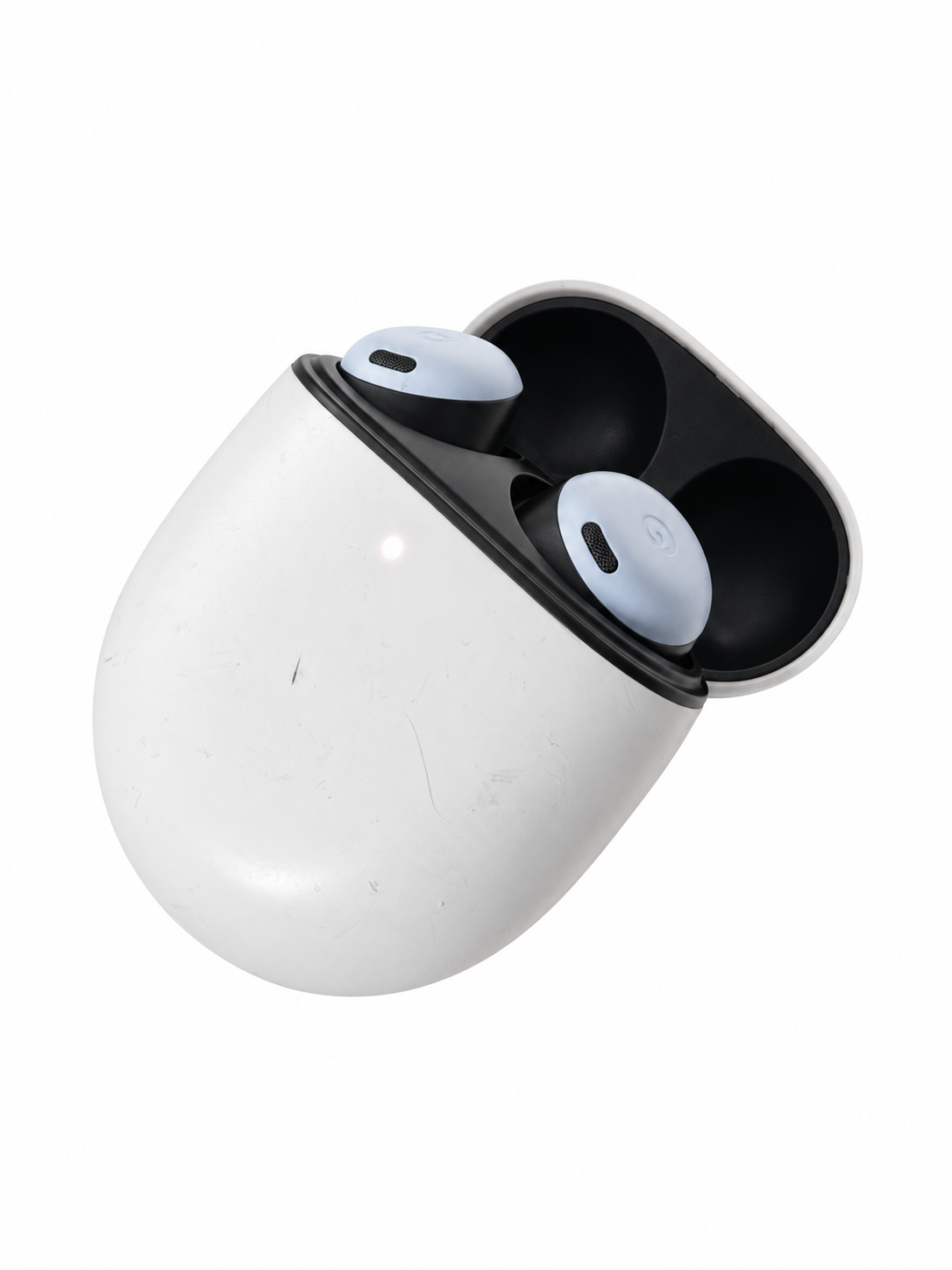
    Not my Pixel Buds though. So as it happens, there’s are still my first pair, but it’s not my first case. The white outer shell that contains a battery to keep them charged and is required to set up a new bluetooth connection went missing at some point, never to be found again (or at least not until now, but it’s been years).

    It so happens that David, a good friend of mine, used to have the same. He eventually got a new model and we were just on vacation together in Greece, when I told him the story of my case and that my earbuds are useless now, still carrying them around in my backpack though, hoping that one day the case would show up again and I’d be able to breathe new life into them.

    So he gave me his. I now have one case, but two pairs of earbuds. Which is convenient in case I do end up losing the earbuds too.

    Until then, I enjoy the snappy feel of the closing mechanism and the seamless connection with the rest of my devices (even though I moved on from the Google side of life to Apple’s gilded cage).

  • IKEA Spetsboj

    IKEA Spetsboj

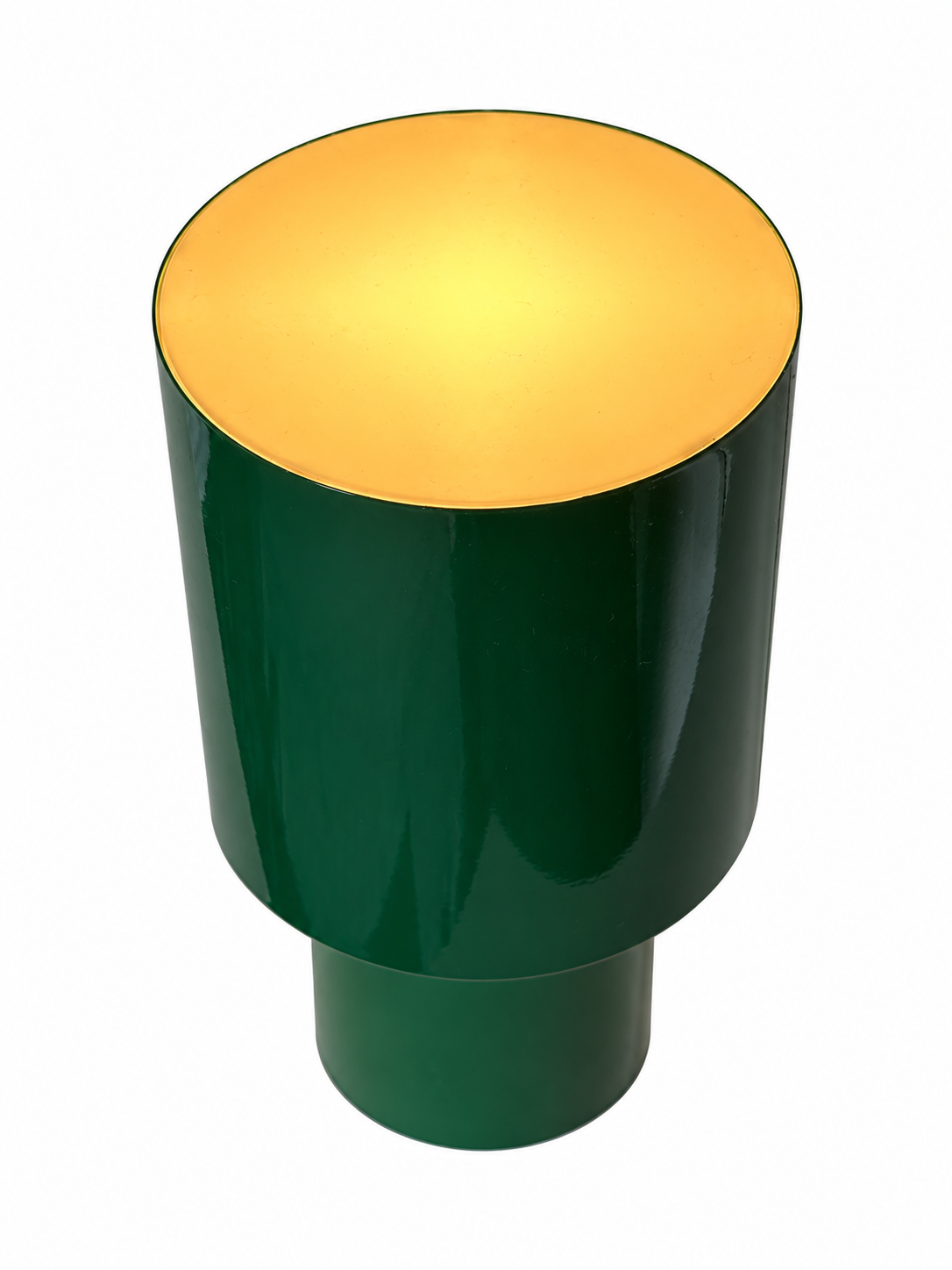
    I bought this lamp when I moved here and I think it embodies this old-school IKEA vibe, combining affordability with effortless style.

    It’s available in a few different colours, but I picked the dark green, because it lends the whole thing a classic stylishness.

    The top part of the lamp can be turned independently of the base. This controls a really simple mechanism on the inside that opens or closes a set of overlapping panes, thus in practice allowing for a stepless dim the lamp.

    There’s also a personal aspect to IKEA products in general: I used to live in Malmö for 5 years and I speak fluent Swedish. A trip to IKEA always reminds me a bit of this place that I’d still consider my home somehow.

    I’m only staying in London for a few months, so it was mainly practical things I had to buy like bed sheets and towels.

    This lamp is something that’s useful and I might be able to take it with me to wherever life leads me next if I really want to. Or pass it on to someone else to be happy with. Either way, well spent £8.

  • Hello world!

    Welcome to WordPress. This is your first post. Edit or delete it, then start writing!